


-

Add: HeBei ShengShi HongBang Cellulose Technology CO.,LTD.
-

Email
13180486930@163.com -

CONTACT US
+86 13180486930

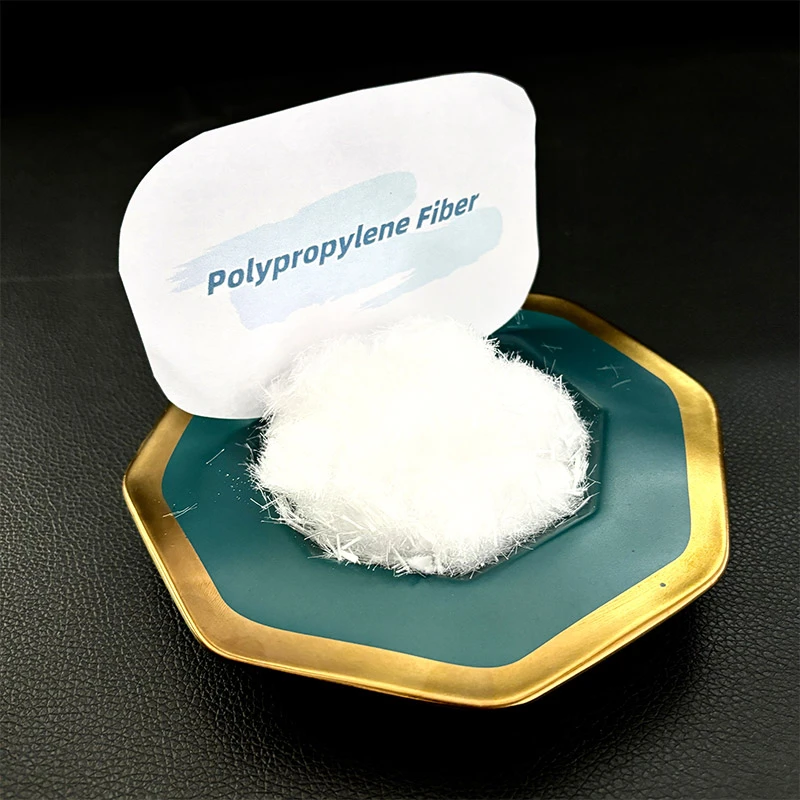
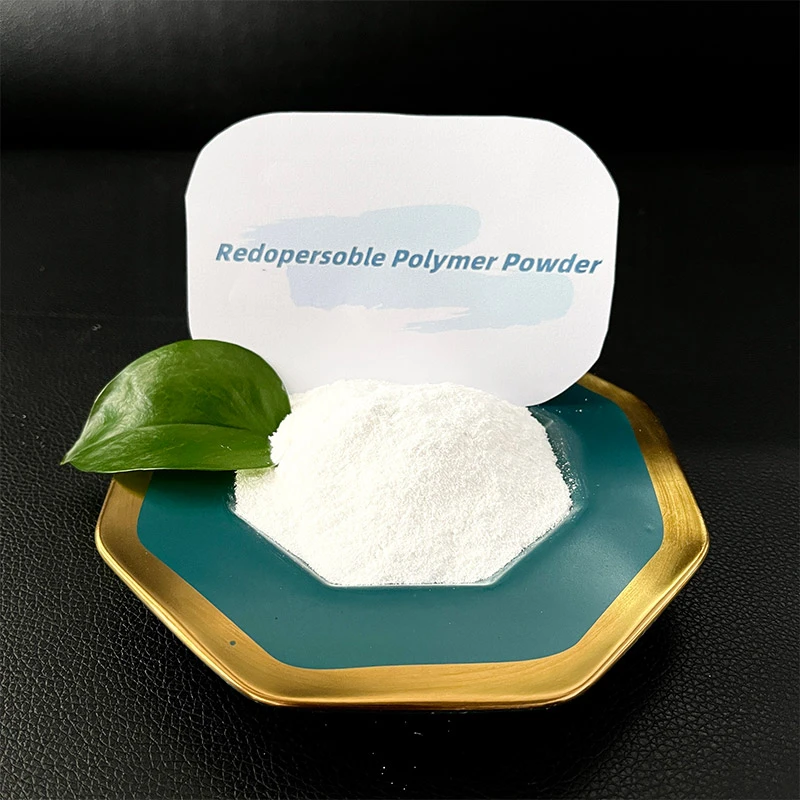
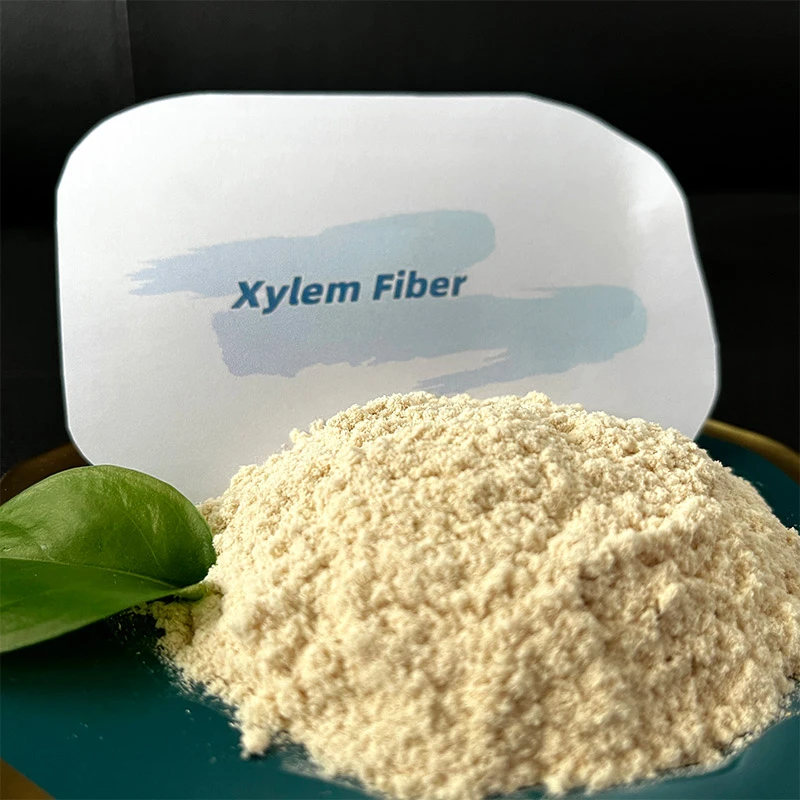




In the world of plastering and construction, achieving optimal working time and preventing premature setting are crucial factors for ensuring high-quality results. One of the most effective solutions is the use of cream of tartar plaster retarder . This naturally occurring substance is increasingly being utilized in the formulation of gypsum-based products due to its ability to extend working time, improve the application process, and maintain the consistency of plaster during drying. In this article, we will explore the importance of cream of tartar plaster retarder and other key retarders in gypsum products , and how these additives are transforming the plastering industry. Why Cream of Tartar Plaster Retarder is Essential in Gypsum-Based Products Cream of tartar plaster retarder plays a vital role in gypsum-based products, particularly in extending the workability of plaster. Gypsum, a commonly used material in construction, sets quickly once mixed with water. While this rapid setting is beneficial in certain applications, it can be problematic when more time is needed to apply the plaster evenly or when working with intricate designs. By incorporating cream of tartar plaster retarder into the mix, the setting time is slowed, allowing plasterers more flexibility to work with the material before it hardens. This retarder works by delaying the crystallization process of gypsum, which is responsible for its quick setting. With a cream of tartar plaster retarder , contractors can achieve a smooth, uniform finish with less pressure and more time to adjust the plaster before it begins to set. This is especially beneficial in larger or more complex projects, where detailed craftsmanship is required, ensuring that the plaster doesn’t dry too fast before it can be applied correctly. The Benefits of Using Extra Time Plaster Additive in Large-Scale Projects An extra time plaster additive is a key tool for ensuring that plaster sets at a controlled rate, which is particularly useful in large-scale or intricate projects. Large surfaces, such as ceilings or walls in commercial buildings, require a more extended working period to apply the plaster evenly. In such cases, an extra time plaster additive allows workers to apply the plaster smoothly without worrying about it drying out too quickly. By adding extra time plaster additive to the gypsum mix, you can ensure that the material remains workable for longer periods. This can make a significant difference in ensuring that the plaster adheres properly and does not form unsightly cracks or imperfections during the drying process. Moreover, the longer workability period enhances the efficiency of the entire plastering team, as it reduces the need for constant re-mixing of the product and provides more time to apply the material precisely. Another key benefit is the reduction of waste. When working under time constraints, contractors often find themselves discarding large amounts of plaster that have hardened prematurely. The use of extra time plaster additive minimizes this issue, ensuring that the plaster remains usable for extended periods without the need for frequent remixes. Understanding the Role of Gypsum Retarder Chemicals in the Construction Industry Gypsum retarder chemicals are essential additives in the construction industry, especially when working with gypsum products like plaster, drywall, and cement. These chemicals serve to delay the setting time of gypsum, ensuring that the material remains malleable and workable for longer. Gypsum itself is a fast-setting material, which can be advantageous in some applications but challenging in others. By incorporating gypsum retarder chemicals , contractors can optimize the workability and overall finish of the product, reducing the risk of defects caused by premature setting. Retarder chemicals work by inhibiting the formation of crystals within the gypsum mix. This allows workers to apply the product more evenly and with more control, particularly in situations that require precise application, such as when smoothing out surfaces or forming intricate details. In the case of gypsum retarder chemicals , the goal is to extend the open time of the product without compromising its final strength or durability. Additionally, gypsum retarder chemicals help to improve the overall quality of gypsum-based products by ensuring that they have a uniform texture and finish. This is especially important in high-demand environments such as commercial or residential construction, where the appearance and durability of the final product are critical. The Importance of Retarders in Gypsum Products for Quality Control Retarders in gypsum products are a crucial part of quality control in construction and plastering. These additives are used to adjust the setting time of gypsum, ensuring that the material remains workable and easy to manipulate until the desired finish is achieved. Without retarders, gypsum-based products would set too quickly, leading to uneven application, poor bonding, and an overall inferior finish. The use of retarders in gypsum products improves the consistency and reliability of plaster and other gypsum-based materials. Whether it’s for large-scale construction projects or smaller renovations, the ability to control the setting time of gypsum is invaluable. For example, during the application of plaster on complex surfaces or for detailed architectural features, a longer working time is essential. This is where retarders in gypsum products come into play—allowing workers to apply the product smoothly and with precision, avoiding issues such as cracking or difficulty in finishing. Moreover, retarders in gypsum products can enhance the sustainability of the project by reducing waste. Faster setting times often lead to excess material being discarded as it hardens before it can be applied. Retarders help extend the usability of gypsum, minimizing this issue and promoting a more efficient and cost-effective process. The use of cream of tartar plaster retarder , extra time plaster additives , and gypsum retarder chemicals is essential in the production of high-quality gypsum-based materials. These additives not only improve the workability and flexibility of plaster but also ensure that it sets at a controlled rate, providing contractors with the time needed to achieve a perfect finish. Whether for large-scale construction or intricate plastering tasks, retarders play an integral role in extending working time, preventing premature setting, and improving the overall quality of the product.
- 40000tons

Production
- 20+years

Experience
- 5000+㎡

Acreage

-
Finding the right HPMC (hydroxypropyl methylcellulose) eye drops can make a significant difference in managing eye conditions such as dryness, irritation, and post-surgical healing. In this guide, we will explore several prominent HPMC eye drop brands that have been trusted by medical professionals and users alike, focusing on their effectiveness, specialty formulations, and user experiences to enhance your decision-making process. One of the leading brands in the arena is Blink Tears. Known for their hydrating formulas, Blink Tears utilizes HPMC as a key ingredient to replicate natural tears and provide extended relief from dry eye symptoms. The formula's compatibility with contact lenses makes it a versatile option for daily users. Many users have reported significant improvements in ocular comfort and reduced frequency of application due to its long-lasting effects, further highlighting its reliability. Refresh is another brand that has carved out a niche in the HPMC eye drops market . Their products, such as Refresh Tears and Refresh Plus, are popular for their lubricating properties and preservative-free formulations. This makes them ideal for individuals with sensitive eyes or those who require frequent administration of eye drops. The Refresh brand is often recommended by ophthalmologists due to its clinically-tested benefits and wide availability, which adds a layer of trust and credibility to its use. Ocusoft Retaine is a brand that might not be as widely recognized as others but has earned respect within the ophthalmic community for its unique delivery method. Utilizing a special emulsion technology, Retaine products ensure that the beneficial effects of HPMC are dispersed evenly across the eye, providing uniform moisture retention. Health professionals often suggest this brand for its innovative approach to eye hydration, which offers both immediate and sustained relief without the blur caused by some thicker gels. hpmc eye drops brands Systane, a brand under the umbrella of Alcon, offers a range of HPMC-based products that cater to different severity levels of dry eyes. Systane Ultra is particularly noteworthy for its rapid-acting capabilities, delivering instant relief that has garnered positive user feedback. This product is also recommended for patients who experience discomfort during prolonged screen time, thus aligning the brand with modern lifestyle demands and reinforcing its authoritative stance in the market. Bausch + Lomb, with their Soothe line of eye drops, integrates HPMC to construct a shield-like barrier across the cornea, protecting it from external irritants while providing lubrication. The brand’s long-standing history in the eye care industry endows it with an authoritative reputation, making it a go-to for patients seeking dependable ocular solutions. User reviews often celebrate the soothing sensation these drops provide, which enhances trust among new and repeat customers. Ultimately, choosing the best HPMC eye drops depends on individual needs, from lifestyle and environmental exposure to specific ocular conditions. Trusted brands like Blink, Refresh, Ocusoft, Systane, and Bausch + Lomb offer a wide array of high-quality options that stand out for their user feedback and professional endorsements. Consulting with an eye care professional can further personalize your choice, ensuring the selected product aligns precisely with your eye health requirements. Through this tailored approach, you can bolster the health of your eyes with products backed by experience, expertise, authoritativeness, and trustworthiness.
-
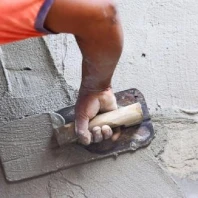
Fiber polypropylene (PP) is increasingly becoming a staple in diverse industries due to its remarkable properties and adaptability across applications. This versatile material is at the forefront of innovation, providing solutions that address modern demands for sustainability, cost-effectiveness, and performance enhancement. Manufacturers, construction companies, automotive leaders, and several other sectors are leveraging the advantages of PP fiber, thereby solidifying their footholds in competitive marketplaces. The strength of fiber PP lies primarily in its durability and resistance to chemical degradation, making it an ideal candidate for products that require longevity and resilience. Unlike other materials, PP fiber doesn't corrode, even when exposed to a variety of harsh conditions. This feature is particularly beneficial in the construction industry where builders use it as a key component in reinforcing concrete. Enhancing concrete with polypropylene fibers significantly reduces cracking, increases its impact strength, and improves overall durability. Construction experts advocate for its use because the life cycle costs of structures decrease when maintenance requirements are minimized. Moreover , fiber PP's lightweight nature doesn't compromise its strength. This characteristic is attracting manufacturers seeking to produce lighter, yet equally robust products. The automotive industry, constantly under pressure to improve fuel efficiency and reduce emissions, finds PP fiber to be indispensable. Parts constructed from polypropylene fibers contribute significantly to the reduction of vehicle weight, thereby enhancing overall energy efficiency while maintaining stringent safety standards. What's particularly compelling about fiber PP is its contribution to sustainability initiatives. As industries strive toward more eco-friendly practices, polypropylene fibers stand out due to their low environmental impact during production. They're recyclable, which aligns perfectly with global recycling targets aimed at reducing industrial waste. Industries share experiences of successfully integrating recycled PP fibers into new products without compromising quality or performance, thus setting a new benchmark for sustainable manufacturing processes. fiber pp From an expertise viewpoint, the application of fiber PP requires an understanding of its properties and potential within specific contexts. Engineers and designers are often surprised to discover that despite its plastic origin, fiber PP exhibits characteristics desirable for high-performance applications—it's non-conductive, moisture-resistant, and can withstand significant stress and strain. Industry specialists are crafting innovative applications that exploit these features, demonstrating a high level of expertise and creativity in their fields. Authoritativeness in the realm of fiber PP is represented by leading institutions and research bodies who continually validate its applications through rigorous testing. Several studies emphasize that polypropylene fibers reduce permeability in concrete, enhancing its waterproofing characteristics. Such authoritative voices in construction materials science reinforce the credibility of fiber PP as a pivotal material, further encouraging its adoption worldwide. Lastly, trustworthiness in fiber PP applications is generally observed through its transparent supply chain practices and quality certifications. Companies that produce PP fiber adhere to stringent global standards, ensuring product consistency and safety—vital factors that build trust with end consumers. As industries increasingly rely on certified materials, the third-party validations that fiber PP often comes with, such as ISO certifications, significantly enhance its trust quotient among users looking for reliable and proven materials. In conclusion, fiber polypropylene embodies a confluence of modern material goals high performance, sustainability, and cost-effectiveness, making it a smart choice for forward-thinking industries. Its unique properties—durability, light weight, and recyclability—along with the wealth of professional expertise surrounding its application, underscore its growing prominence. As industries increasingly share their positive experiences and insights regarding fiber PP, it continues to cement its status as a preferred option across various applications, reflecting a commitment to innovative, sustainable practices while meeting the complex demands of today's markets.
advantages
-

200000 Viscosities
Excellent product
We can produce pure products up to 200,000 viscosities
-

40000 tons
High yield
We don’t stop production all year round, and the annual output can reach 40,000 tons
-

24 hours
Quality service
We provide 24-hours online reception service, welcome to consult at any time
———— Inquiry Form
Schedule A services

-
 hydroxypropyl_methylcellulose_skin
Oct . 25, 2025
Plaster Retarder & Gypsum Retarder: Industry Trends, Technical Specification, Comparison & Applicati - starch_ether_uses
Oct . 25, 2025
Understanding the nuances of HPMC enteric coating is crucial for anyone involved in pharmaceuticals, -
 precio_de_la_metilcelulosa
Oct . 25, 2025
Hydroxypropyl methylcellulose (HPMC) is an exceptional multifunctional ingredient that finds various


